
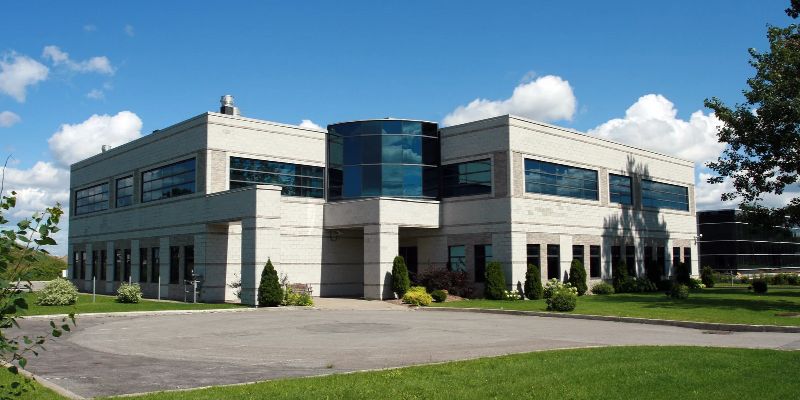
Selling a commercial property is a major financial decision that requires careful planning, market knowledge, and a clear understanding of buyer expectations. Whether you own an office building, retail space, industrial facility, or multifamily investment property, your goal is to attract qualified buyers and achieve the best possible value. However, getting the right offer involves more than simply listing your property and waiting for buyers to respond.
If you are preparing to sell a commercial building for sale in Denver, Colorado, several factors can influence your property’s market appeal. These include its location, physical condition, rental income, operating expenses, and potential for future growth. Buyers also consider comparable sales, current market conditions, and the expected return on their investment before making an offer.
Preparing your building properly can help you create a stronger first impression, answer buyer questions, and negotiate with greater confidence. From determining an appropriate asking price to organizing financial records and preparing for closing, every step can affect the selling process.
At RE Professionals, professional representation, clear communication, and attention to detail are important parts of helping clients navigate real estate transactions. Understanding the steps involved in selling commercial property can help you make informed decisions and move toward a successful sale.
1: Determine the Right Market Value Before Listing Your Property
Setting the right asking price is one of the most important steps when selling commercial real estate. A price that is too high may discourage qualified buyers, while an unnecessarily low price could reduce your potential return. The goal is to establish a realistic price that reflects your building’s value and attracts serious interest.
Understand Current Denver Commercial Real Estate Market Conditions
The Denver commercial real estate market includes office buildings, retail properties, industrial facilities, mixed-use developments, and investment properties. Demand can vary by property type, neighborhood, building condition, and economic conditions.
Before listing your property, research recent sales of similar buildings in Denver. Consider the property’s location, square footage, age, condition, parking availability, tenant occupancy, and proximity to major roads or commercial districts. These details help you understand how your property compares with other opportunities available to buyers.
For example, a well-maintained retail building in a busy commercial area may attract different buyers than an office building in a location experiencing higher vacancy rates. Understanding these differences can help you establish a more competitive asking price.
Evaluate Income and Investment Potential
Many commercial buyers evaluate properties based on their income-generating potential. If your building has tenants, buyers may examine rental income, operating expenses, lease terms, and net operating income.
Net operating income, or NOI, represents property income after operating expenses but before debt service and certain other costs. Investors may use NOI and a capitalization rate to estimate value. However, the appropriate capitalization rate depends on factors such as property type, location, risk, and market conditions.
You should also consider vacancy rates, upcoming lease expirations, maintenance expenses, and opportunities to increase rental income. Presenting realistic financial information helps buyers evaluate the property and make informed offers.
Obtain a Professional Property Valuation
A professional valuation can provide a useful starting point for determining your asking price. Depending on the property and your circumstances, you may work with a qualified commercial real estate professional or an independent appraiser.
A valuation may consider comparable sales, income potential, replacement costs, and the property’s physical condition. It can also help identify features that support a stronger asking price or issues that buyers may use during negotiations.
The objective is not simply to choose the highest possible number. It is to establish a defensible price that reflects market conditions and supports your selling goals.
2: Prepare Your Commercial Building to Make a Strong First Impression
A building’s condition can significantly influence buyer interest. Even when a property has strong investment potential, visible maintenance problems or an unorganized presentation may cause buyers to question its long-term costs.
Preparing the building before listing can help buyers focus on its advantages rather than immediately looking for reasons to negotiate a lower price.
Complete Essential Repairs and Maintenance
Walk through the entire property and identify issues that may concern potential buyers. Look for roof damage, plumbing leaks, electrical problems, damaged flooring, exterior deterioration, broken fixtures, and signs of water intrusion.
Address important repairs before scheduling property tours whenever practical. You do not necessarily need to complete every possible renovation, but resolving visible defects can help demonstrate that the building has been maintained responsibly.
For larger projects, compare the expected cost of improvements with their likely impact on marketability. Major renovations do not always produce a matching increase in sale price, so prioritize work based on buyer expectations and the property’s condition.
Improve Curb Appeal and Interior Presentation
First impressions begin before a buyer enters the building. Clean exterior walls, maintained landscaping, visible signage, clear entrances, and organized parking areas can make the property more appealing.
Inside, remove unnecessary clutter, clean shared spaces, replace burnt-out lighting, and make sure hallways and entrances are accessible. If the building is occupied, coordinate with tenants to keep the property presentable during tours.
Professional photographs should highlight the building’s layout, exterior appearance, useful amenities, and strongest features. Depending on the property, floor plans, site plans, and virtual tours may also help buyers understand its potential.
Highlight Features That Add Practical Value
Identify features that make the building attractive to its likely buyer. These may include flexible floor plans, loading access, parking, energy-efficient systems, modern infrastructure, convenient transportation access, or opportunities for future improvements.
If the property has specialized equipment, recent upgrades, or accessibility features, document them clearly.
A thoughtfully prepared commercial property for sale can stand out in a competitive market because buyers can more easily understand its condition, functionality, and potential uses.
3: Organize Financial Records and Property Documents
Commercial real estate buyers typically need more detailed information than buyers of many residential properties. They want to understand how the building operates, whether its income is reliable, and what expenses or obligations may accompany ownership.
Organizing documents before listing can reduce uncertainty, support your asking price, and help prevent unnecessary delays during due diligence.
Prepare Accurate Financial Statements
Gather financial records that provide a clear picture of the property’s performance. Depending on the building, useful documents may include:
Recent profit-and-loss statements and operating budgets.
Current property tax bills and insurance costs.
Utility expenses and maintenance records.
Rental income reports and vacancy information.
Capital improvement expenses and major repair invoices.
Vendor contracts and ongoing service agreements.
Present information accurately and consistently. If the building generates rental income, explain how income and expenses are calculated and identify any unusual or one-time costs.
Well-organized financial records can help qualified buyers evaluate the property’s investment potential and make more informed offers.
Review Leases and Tenant Information
If your commercial building is occupied, lease agreements may be central to the buyer’s decision. Buyers often review rental rates, lease expiration dates, renewal options, security deposits, tenant responsibilities, and any rent concessions.
Prepare a current rent roll that accurately summarizes occupancy, rental income, and lease terms. Disclose known vacancies, upcoming lease expirations, and relevant tenant obligations as appropriate.
A property with stable occupancy and well-documented leases may appeal to investors seeking predictable income. On the other hand, vacant space may appeal to buyers who want to occupy the building themselves or reposition it for another use.
Neither situation automatically determines value. What matters is presenting the property’s actual circumstances clearly.
Verify Legal, Zoning, and Building Information
Gather available title documents, surveys, permits, inspection reports, warranties, and records of completed improvements. Confirm relevant zoning information and investigate whether the property’s current use aligns with applicable requirements.
For Denver properties, buyers may also want to understand permitted uses, parking requirements, building-code considerations, environmental concerns, and potential redevelopment restrictions.
Depending on the transaction, professional legal, environmental, engineering, or zoning advice may be appropriate. Addressing questions early can reduce surprises during due diligence.
4: Market Your Commercial Real Estate to Qualified Buyers
Effective marketing is about more than publishing a listing online. The goal is to reach buyers who understand the property’s value proposition and have the financial ability and genuine interest to complete a transaction.
A well-planned marketing strategy can improve visibility, generate meaningful inquiries, and help you compare offers more effectively.
Create a Compelling Commercial Property Listing
Your listing should explain what the property offers and why it deserves consideration. Include accurate information about its location, building size, lot size, permitted or current use, occupancy, parking, amenities, and notable improvements.
If the building produces income, provide appropriate financial highlights that are supported by the available records. Avoid unsupported claims about guaranteed returns, future appreciation, or investment performance.
Use professional photography and clear property descriptions to communicate the building’s strengths. Where appropriate, include floor plans, site plans, aerial photographs, and other materials that help buyers assess the property.
A complete listing gives prospective buyers a better understanding of the opportunity before arranging a visit.
Reach Buyers Who Match the Property Type
Different commercial properties appeal to different buyer groups. An industrial facility may interest logistics operators or industrial investors, while a retail building may attract business owners, developers, or investors seeking rental income.
Potential buyers may include owner-occupiers, private investors, investment partnerships, developers, and businesses looking to expand their operations.
A commercial real estate professional can help identify suitable buyer groups and determine which marketing channels are appropriate. Depending on the property, these may include commercial listing platforms, professional networks, direct outreach, and targeted marketing campaigns.
The strategy should reflect the building’s price, location, characteristics, and likely audience.
Emphasize Denver Location Advantages
Location is often a major factor in commercial property decisions. Buyers may evaluate access to highways, public transportation, employment centers, residential communities, customer traffic, and nearby businesses.
When marketing a Denver property, explain relevant location advantages with specific, verifiable information. For example, convenient access to major roads or proximity to an established business district may be meaningful to certain buyers.
Avoid broad promises about future development or appreciation unless supported by reliable information. Instead, focus on practical benefits that buyers can evaluate for themselves.
RE Professionals recognizes the importance of clear communication and professional representation when presenting real estate opportunities. A well-structured marketing approach helps prospective buyers understand the property and decide whether it fits their objectives.
5: Negotiate Offers Carefully to Protect Your Selling Goals
Receiving an offer is an important milestone, but the highest initial price does not always represent the best overall deal. Commercial property transactions can involve financing conditions, inspections, appraisal requirements, due diligence periods, and other terms that affect the likelihood of closing.
A careful review of each offer can help you balance price, timing, certainty, and your financial objectives.
Compare the Full Terms of Each Offer
When evaluating offers, look beyond the purchase price. Consider the following factors:
Financing: Is the buyer using cash or requiring loan approval?
Earnest money: How much is being deposited, and when may it become refundable?
Due diligence: How much time does the buyer have to inspect the property and review documents?
Closing timeline: Does the proposed schedule fit your plans?
Contingencies: What conditions must be satisfied before the buyer is obligated to close?
Additional terms: Are there requested repairs, credits, seller financing arrangements, or other conditions?
The best offer depends on your priorities. A slightly lower offer with stronger financial qualifications and fewer uncertainties may sometimes be more attractive than a higher offer with extensive contingencies.
Review all material terms carefully and consult the appropriate professionals before making a decision.
Understand Buyer Concerns and Respond Strategically
Buyers may raise concerns about building condition, operating expenses, tenant turnover, environmental reports, or future capital improvements. These concerns can lead to requests for a price reduction, repair credits, or additional documentation.
Respond with accurate information and supporting records whenever possible. If a concern is valid, consider whether addressing it directly, offering a reasonable concession, or adjusting the transaction terms makes the most sense.
Avoid agreeing to significant concessions without understanding their financial impact. Likewise, refusing every request may create unnecessary obstacles to a transaction that otherwise meets your goals.
Keep Communication Clear Throughout Negotiations
Commercial transactions often involve several parties, including buyers, sellers, brokers, attorneys, lenders, inspectors, and property managers. Delayed responses or unclear expectations can slow negotiations and create confusion.
Keep written records of important discussions, confirm deadlines, and make sure everyone understands agreed-upon terms. Professional communication is particularly important when multiple offers or complicated contract provisions are involved.
At RE Professionals, clear communication and professional representation are central considerations in helping clients navigate property decisions. Working with experienced professionals can help you understand your options and approach negotiations with greater confidence.
6: Prepare for Due Diligence and a Smooth Closing
Once you accept an offer, the transaction enters another important stage. The buyer will generally investigate the property, verify financial information, review legal documents, and satisfy the conditions outlined in the purchase agreement.
Preparing for this stage early can help reduce delays and make the closing process more manageable.
Support the Buyer’s Due Diligence Process
During due diligence, buyers may arrange property inspections, review leases, examine financial records, investigate title matters, and verify zoning or permitted uses.
Depending on the property, they may also request structural assessments, roof inspections, environmental evaluations, mechanical-system reviews, or other specialized reports.
Respond promptly to reasonable document requests and provide accurate information. Keep records organized so that the buyer and their professional team can review them efficiently.
If an inspection identifies a significant issue, discuss the available options with your real estate and legal professionals. The appropriate response will depend on the purchase agreement, the issue’s seriousness, and the transaction’s financial terms.
Coordinate Closing Requirements
Closing preparation may involve title work, settlement statements, payoff information for existing loans, transfer documents, tax-related paperwork, and other transaction-specific requirements.
Work with the title company, closing agent, attorney, and other relevant professionals to confirm responsibilities and deadlines. Make sure any agreed-upon repairs, credits, tenant arrangements, or other obligations are addressed according to the contract.
You should also confirm how and when possession will transfer and whether existing service contracts, keys, access credentials, or property records must be delivered to the buyer.
The specific closing requirements depend on the property and transaction structure, so professional review is important.
Plan for the Financial and Operational Transition
Before closing, review the expected proceeds and any outstanding obligations. These may include mortgage payoffs, closing costs, brokerage compensation, prorated property taxes, and other transaction expenses.
Consult your tax professional about potential tax consequences, including capital gains and depreciation recapture where applicable. Depending on your circumstances, you may wish to discuss whether any tax-planning options are available before completing the sale.
If tenants occupy the building, coordinate any required notices, security deposit transfers, lease documentation, and management handover.
Careful preparation helps ensure that the transaction does not end with avoidable administrative problems. A successful sale includes not only agreeing on a price but also completing the required steps to transfer ownership properly.
Conclusion
Selling a commercial building for the best possible value requires a combination of accurate pricing, thoughtful property preparation, organized documentation, effective marketing, careful negotiation, and thorough closing preparation. Each step helps buyers understand the property’s strengths, evaluate its financial potential, and determine whether it meets their investment or business objectives.
For Denver property owners, understanding local market conditions is especially important when deciding how to position a building and attract qualified buyers. While no strategy can guarantee a particular sale price, preparing early and presenting accurate information can help you approach the transaction with greater confidence.
Whether you are preparing an income-producing investment, an office property, a retail space, or another type of commercial building for sale, a professional approach can help you make informed decisions at every stage.
RE Professionals emphasizes client-focused service, market knowledge, professional representation, and clear communication. These priorities help support a more organized and informed real estate experience as you evaluate your selling options.
Ready to sell your commercial property in Denver? Connect with RE Professionals to discuss your property goals, understand the factors that may influence its market value, and explore the next steps toward selling your building. Contact RE Professionals today to start planning your commercial real estate sale with confidence.